Learn Noorani Qaida Online
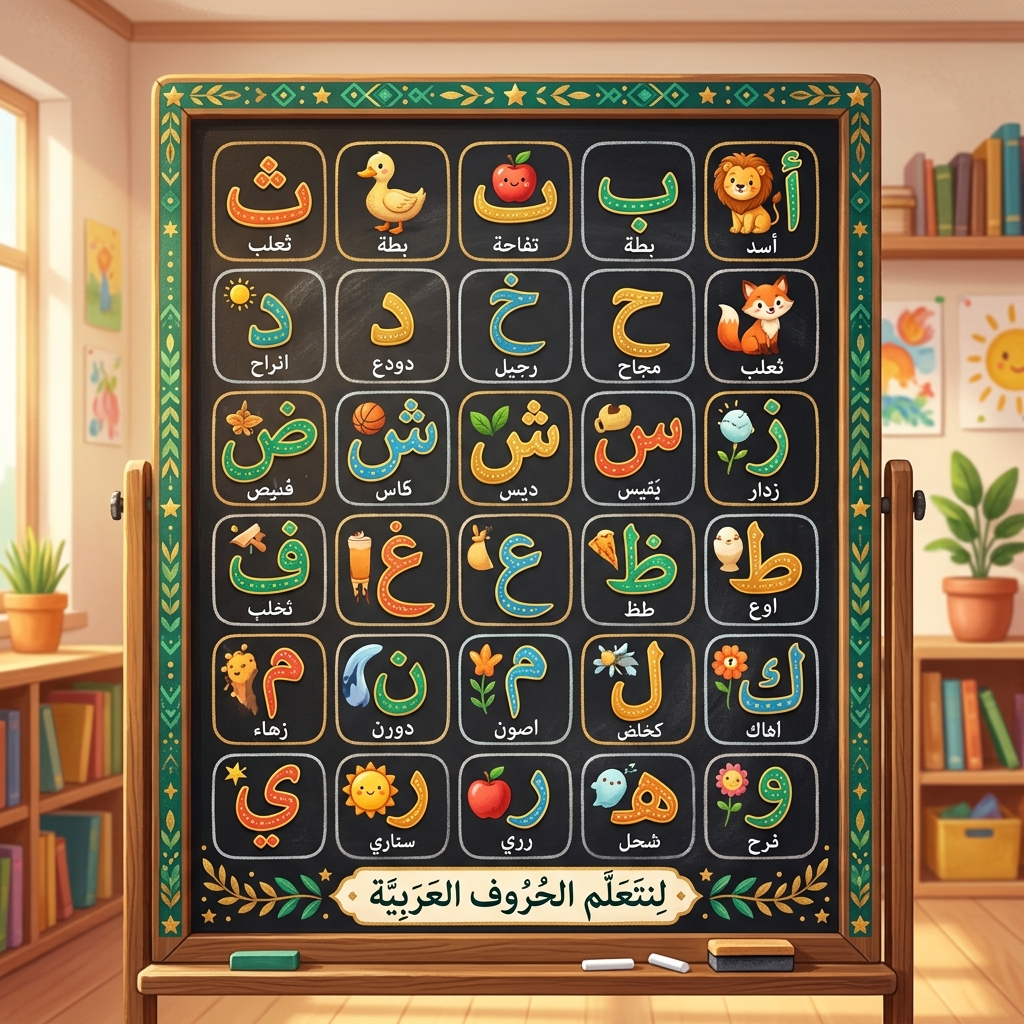
The perfect starting point for anyone beginning their Quran learning journey. Noorani Qaida is the foundational book that teaches Arabic letter recognition, pronunciation, and basic reading rules — the essential gateway to reading the Quran.
Start with a free one-to-one trial and discuss your level with a Quran teacher.
Structured Noorani Qaida Curriculum You Can Follow
The perfect starting point for anyone beginning their Quran learning journey. Noorani Qaida is the foundational book that teaches Arabic letter recognition, pronunciation, and basic reading rules — the essential gateway to reading the Quran.
Noorani Qaida instruction follows the book's carefully sequenced chapters: isolated letters → joined letters → harakat → tanween → madd → sukoon → shaddah → combinations. We add audio modeling, phonetic drills, and short practice passages to reinforce each concept before advancing.
Discuss your starting level, language preference and learning goals with a teacher during your trial.
Flexible Timings
Schedule classes 24/7 around school, work, and family commitments in any time zone.
Certified Tutors
Discuss your teacher’s qualifications, teaching language and course experience before starting.
1-on-1 Personalized Classes
Undivided teacher attention tailored specifically to your learning speed and goals.
Monthly Progress Reports
Transparent monthly evaluation covering Tajweed, recitation fluency, and memorization.
Online Quran Classes with Steady, Patient Tutor Guidance
Every student is paired with a certified tutor who adapts to their individual learning pace. With positive reinforcement and interactive lessons, we ensure confidence, retention, and love for the Holy Quran.
What is Included in The Classes?
Deep Dive: Explore Noorani Qaida in Detail
A common mistake made by eager beginners—especially adults—is attempting to dive directly into reading the Quran without first mastering the foundational phonetics. This is akin to trying to read a Shakespearean play before learning the English alphabet. The 'Noorani Qaida' is the universally accepted, time-tested primer for Quranic reading. Compiled by Sheikh Noor Muhammad Haqqani in the 19th century, this brilliant text systematically deconstructs the Arabic language into its most basic phonetic components.
At The Quran Nest, we consider the Noorani Qaida to be the most critical phase of a student's journey. It is the architectural blueprint upon which all future Quranic recitation is built. If the foundation is weak, the entire structure of your Tajweed will eventually crumble. Our course strictly follows the original sequence of the Qaida, ensuring that no phonetic rule is rushed or bypassed. By investing the necessary 1 to 3 months to truly master this foundational text, you save yourself years of frustration and remedial correction later on.
Noorani Qaida FAQs
Noorani Qaida: a foundation-first pathway
Your starting assessment
You do not need to read Arabic before starting. The trial checks isolated letters, similar sounds and any vowel marks you already recognise. Children and adults can follow the same foundations with age-appropriate explanations and a pace suited to the learner.
Practice to discuss with your teacher
Work from letter recognition to joining forms, short vowels, Tanween, Sukoon, Shaddah and introductory elongation. A teacher should listen to the student read unfamiliar combinations rather than rely only on repeating a memorized line. Move into short Quran passages when these skills are secure.
Useful progress checkpoints
- Recognise the same letter at the start, middle and end of words.
- Distinguish short vowels from long vowel sounds.
- Read simple unfamiliar combinations independently.
- Apply the foundation while reading short passages from the Mushaf.
Related learning options
Noorani Qaida Tuition Plans
Choose a plan that fits your schedule and budget. All plans include one-on-one certified teachers, 30-minute live classes, and a free trial class before you commit.
Basic
Light PacePerfect for beginners or those with a busy schedule who want consistent, manageable progress.
- 2 classes per week (8 / month)
- 30 minutes per one-to-one class
- One-to-one with certified teacher
- Flexible 24/7 scheduling
- Free 3-day trial evaluation
- WhatsApp & coordinator support
- Monthly progress report
No credit card required
Standard
Our most popular plan — the perfect balance of consistency and affordability for steady progress.
- 3 classes per week (12 / month)
- 30 minutes per one-to-one class
- One-to-one with certified teacher
- Flexible scheduling & easy make-up
- Free 3-day trial evaluation
- WhatsApp + Email dedicated support
- Bi-weekly progress report
- Homework & practice materials
No credit card required
Premium
Intensive TrackFor dedicated students who want maximum progress, including Hifz and intensive Tajweed programs.
- 5 classes per week (20 / month)
- 30 minutes per one-to-one class
- One-to-one with senior certified teacher
- Priority scheduling & timing choice
- Free 3-day trial evaluation
- WhatsApp + Email + Phone support
- Weekly progress report
- Homework & practice materials
- Course completion certificate
- Ideal for Quran memorization (Hifz)
No credit card required
Multiple Children or Family Plan?
Get up to 15% sibling discount and customized weekend timetables.
Start with a free trial
Find the right starting point for your Quran lessons
Request a trial for Noorani Qaida. Share your learning level and local time so we can discuss a suitable teacher and schedule.
- 1. Send your request using this form.
- 2. Confirm your teacher, lesson format and trial time with our coordinator.
- 3. Try the lesson before deciding on regular classes.
Request your trial class
Explore All Family Courses
Discover specialized Quran programs designed for children, ladies, beginners, and advanced memorizers.
View All Courses